From Trees to Trenches: How to Prepare Land for Building
Preparing a piece of land for construction is more than just clearing a plot—it’s a detailed process that lays the foundation for a safe, durable, and well-planned building project. From dense forests to overgrown fields, land preparation transforms raw terrain into a structured site ready for construction. Proper preparation not only ensures the safety and stability of the structure but also influences timelines, costs, and overall project success. Understanding the steps involved in land clearing, grading, and excavation is essential for builders, developers, and property owners looking to invest in a hassle-free building experience.
The process of turning untamed land into a construction-ready site requires careful planning and strategic execution. It encompasses everything from assessing soil quality and managing vegetation to establishing proper drainage systems and trenching for utilities. Skipping or inadequately performing these steps can result in foundation issues, drainage problems, and unforeseen expenses that compromise both safety and profitability. In this blog, we will explore the comprehensive process of land preparation for building, offering practical insights, expert recommendations, and real-world scenarios. Whether you are embarking on a residential development, commercial construction, or a personal building project, these strategies will help you transform raw land into a reliable foundation for your vision.
Assessing and Planning the Land
Site Evaluation and Surveying
The first step in preparing land for construction is a thorough evaluation of the site. Site surveys determine property boundaries, topography, and existing natural features such as trees, wetlands, and slopes. Accurate surveying helps avoid legal disputes and ensures compliance with local zoning and building codes. Surveyors use advanced tools like GPS mapping, drone imaging, and total stations to provide precise measurements, giving builders a reliable blueprint to work from.
Soil Testing and Analysis
Once the boundaries are defined, soil testing is critical. Soil composition, density, and drainage capacity influence the type of foundation suitable for the construction. For instance, clay-heavy soils expand and contract with moisture, posing risks for slab foundations, whereas sandy soils require different reinforcement. A geotechnical engineer typically conducts these tests, analyzing soil samples for load-bearing capacity, pH levels, and moisture content. Understanding soil properties not only ensures structural stability but also helps anticipate costs for excavation and foundation work.
Planning Utilities and Access Points
Planning access points for roads, driveways, and utility connections is another key aspect of pre-construction land evaluation. Determining where water, electricity, and sewage lines will run prevents costly rerouting later in the project. During this stage, it’s also important to identify any natural obstacles, such as large rock formations or protected trees, and incorporate strategies to mitigate their impact. Effective planning at this stage lays the groundwork for a smooth and organized construction process.
Clearing the Land
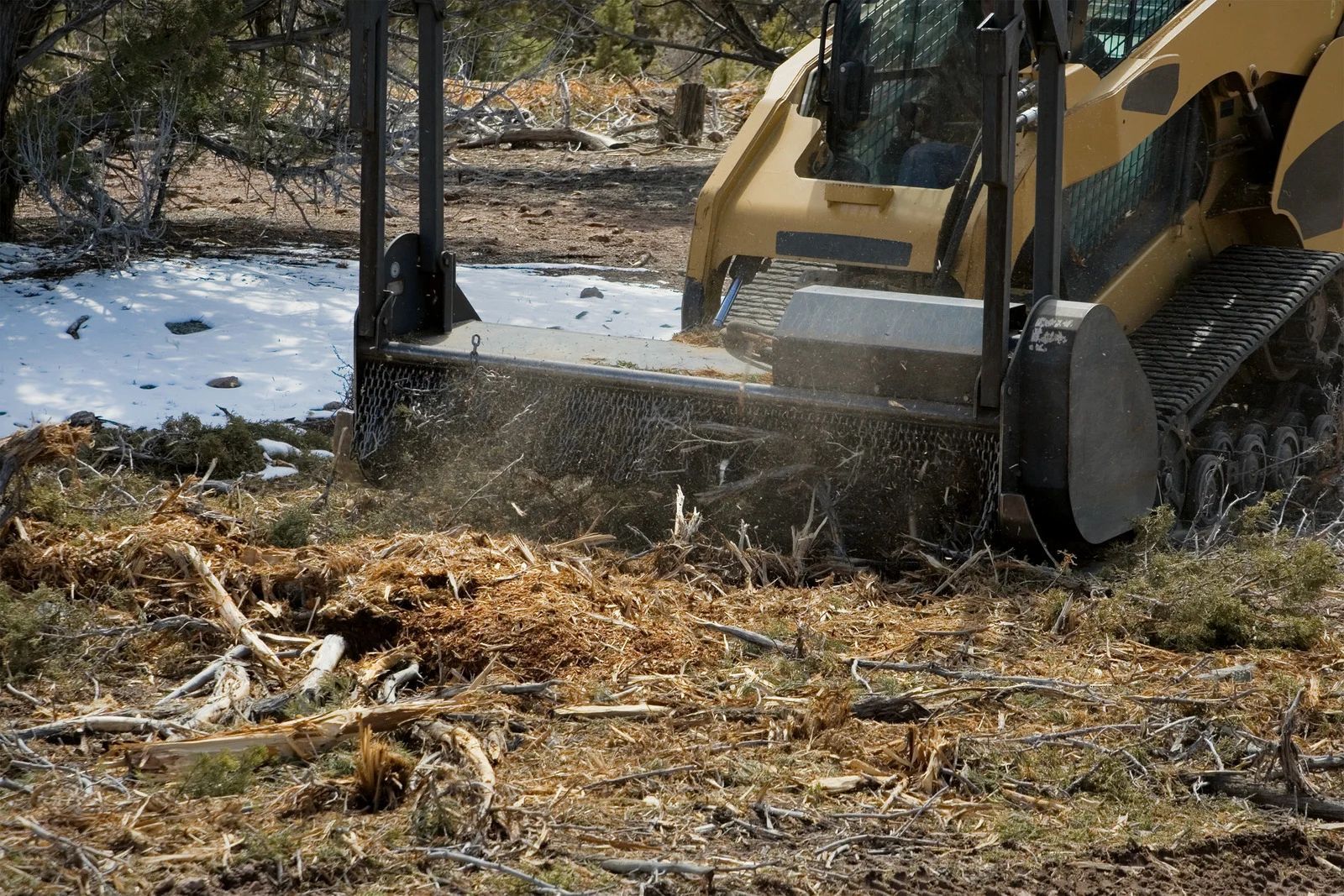
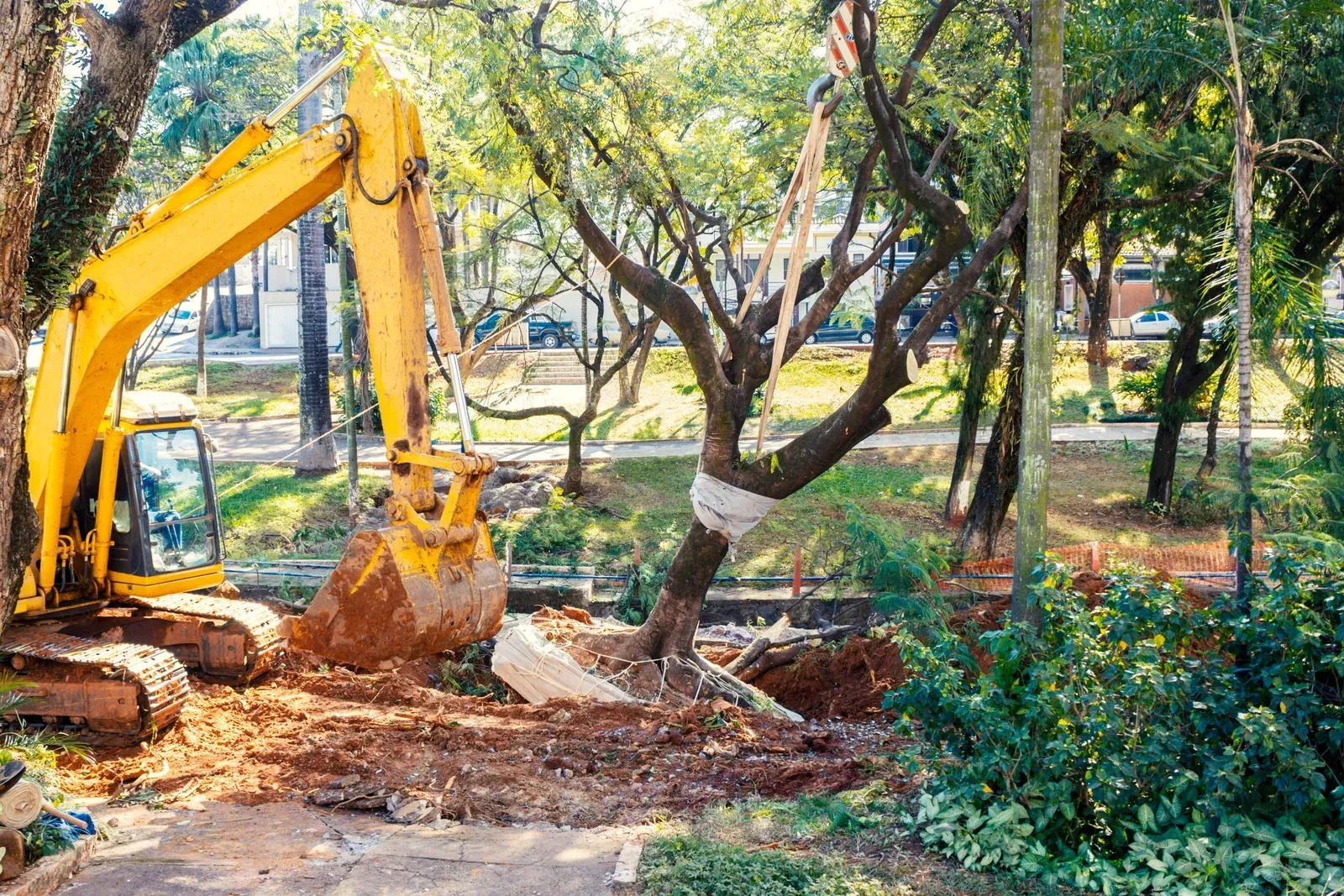
- Vegetation and Tree Removal:- Land clearing is often the most visually dramatic step in preparing a site. It involves removing trees, shrubs, undergrowth, and debris to create an open and buildable area. Depending on the scale, clearing may be done manually with chainsaws and hand tools or mechanically using bulldozers, brush hogs, and mulchers. It’s important to follow local environmental regulations, especially if endangered species or protected trees are present. In some cases, selective clearing—removing only necessary vegetation—can preserve natural beauty while still allowing construction.
- Stump Grinding and Debris Management:- After vegetation removal, stumps and roots must be addressed. Leftover stumps can obstruct grading, landscaping, and foundation installation. Stump grinding or removal ensures a level base for construction and minimizes future maintenance issues. Proper disposal of cleared vegetation and debris is equally important. Some contractors opt for recycling organic waste into mulch or compost, while others haul debris to approved landfills. Efficient debris management saves time, reduces hazards, and keeps the site organized.
- Environmental and Safety Considerations:- Clearing land comes with environmental responsibilities. Protecting nearby waterways, preventing soil erosion, and minimizing dust and noise pollution are essential best practices. Workers should also follow safety protocols, wearing protective gear and using machinery safely. These precautions not only reduce risks of accidents but also maintain compliance with local laws and construction standards.
Grading and Leveling
Understanding Grading
Grading is the process of reshaping the land to achieve proper slope and drainage. Uneven terrain can cause water pooling, soil erosion, and structural instability. Grading ensures that water flows away from foundations, protecting buildings from moisture-related damage. Contractors typically use heavy machinery like graders, bulldozers, and skid steers to achieve precise contours. Even small elevation changes can significantly impact drainage patterns, so attention to detail is essential.
Excavation for Foundations
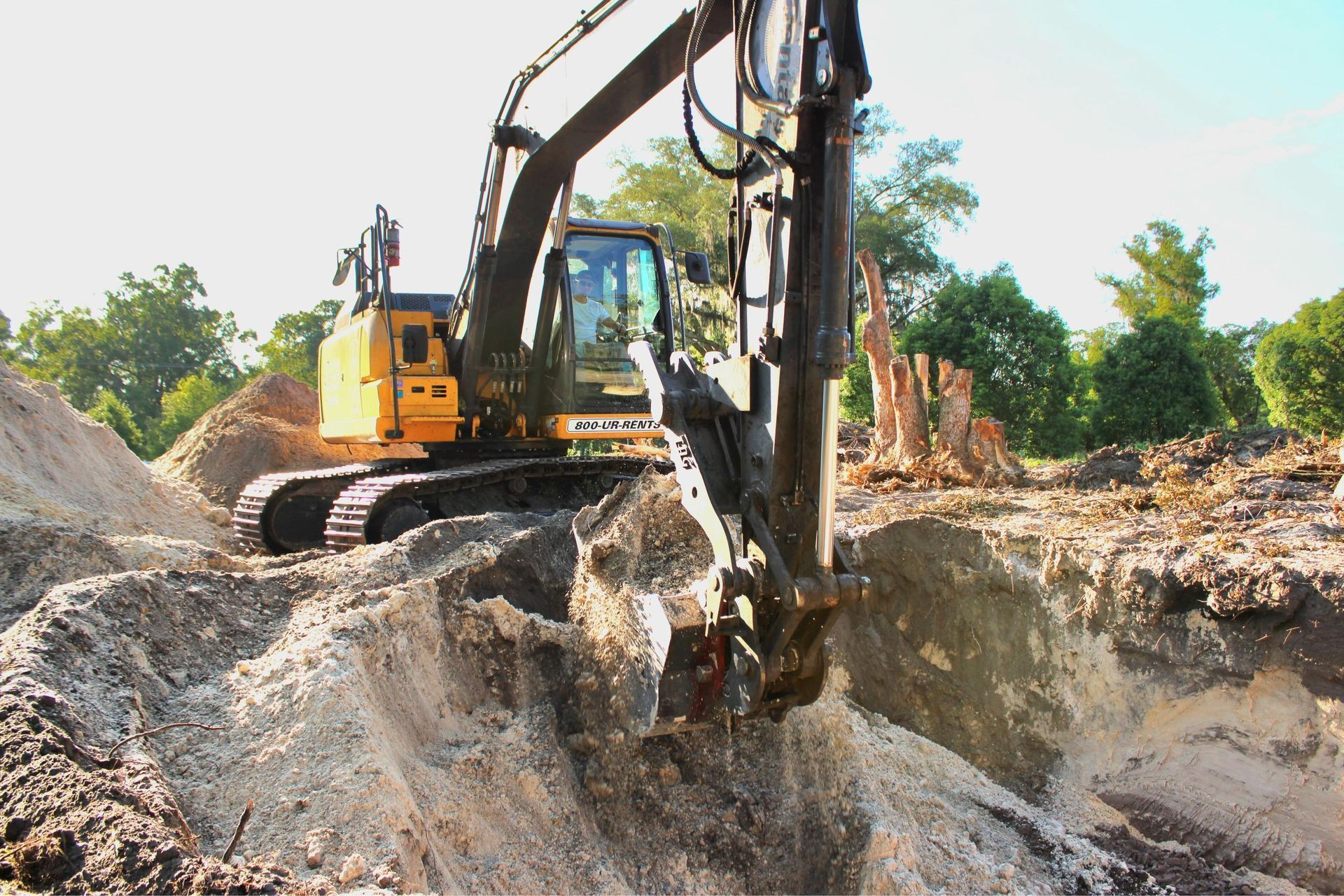
Excavation prepares the site for the building’s foundation, whether it’s a slab, crawl space, or basement. This involves digging trenches or pads to the required depth, following architectural plans. Excavation also includes accounting for soil compaction and ensuring trenches are properly sloped to prevent collapse. In urban projects, excavation must consider nearby structures to avoid undermining stability.
Soil Compaction and Stabilization
After grading, soil compaction is often necessary to support the foundation. Compacted soil prevents settling and increases load-bearing capacity. Techniques include mechanical rollers, vibratory plates, and tamping equipment. In cases where soil is weak or unstable, contractors may use soil stabilization methods such as lime or cement treatment to enhance strength. Proper grading and compaction reduce the risk of foundation cracking and long-term maintenance issues.
Drainage and Water Management
- Importance of Proper Drainage:- Effective drainage is crucial for protecting both the construction site and the finished structure. Poorly managed water can lead to flooding, erosion, and foundation instability. Implementing proper drainage systems before construction begins saves time and costs in the long term. This includes surface grading to guide water away from the building and installing subsurface systems where needed.
- Installing Drainage Systems:- Depending on the site, drainage solutions may include French drains, catch basins, swales, and retention ponds. French drains use perforated pipes to redirect water underground, while swales are shallow ditches designed to channel water across the property. Retention ponds collect and store excess water during heavy rainfall, preventing overflow. Proper installation requires expert planning and coordination with civil engineers to ensure compliance with local regulations and effectiveness in all weather conditions.
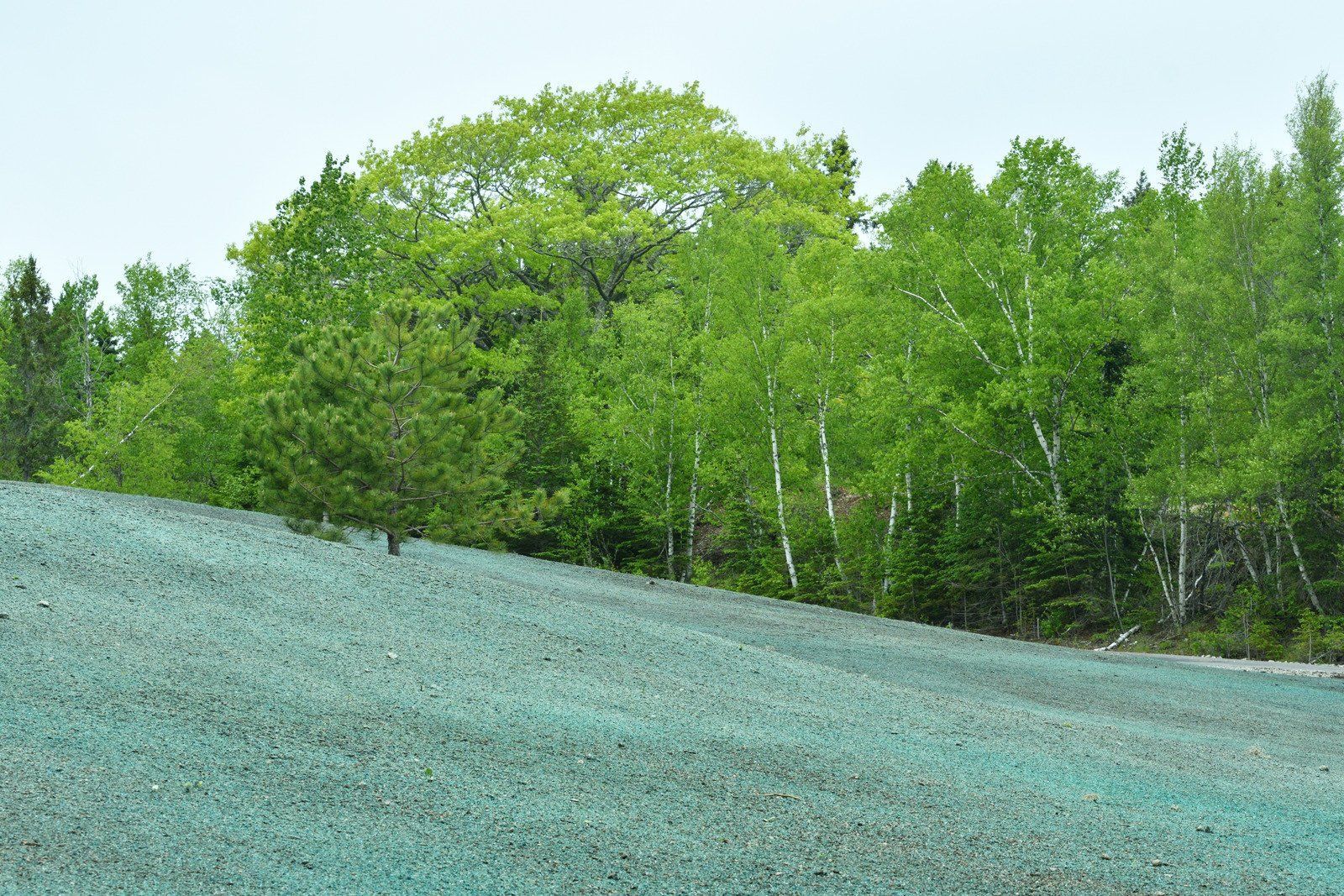
- Preventing Erosion and Sedimentation:- Land exposed during construction is highly susceptible to erosion. Techniques such as silt fencing, erosion control blankets, and temporary vegetation can protect soil while work is ongoing. Preventing sediment runoff is also important to avoid contaminating nearby water sources. These measures are essential for maintaining site integrity and ensuring a safe, sustainable build.
Trenching for Utilities
Planning Utility Trenches
Trenching is a vital step for installing utilities like water, sewer, gas, and electrical lines. Proper planning ensures that trenches are positioned for efficiency, accessibility, and safety. Misplaced trenches can lead to costly rerouting or service interruptions during construction. Mapping out utility paths according to local codes is a critical part of pre-construction planning.
Excavation Techniques
Utility trenches must be dug to precise depths and widths, with attention to soil stability. Open-trench excavation is common, but trenchless methods such as horizontal directional drilling are used in areas where minimizing surface disruption is necessary. Shoring and bracing are often required to prevent trench collapse, especially in deeper excavations. Safety is paramount, with workers following strict protocols to avoid accidents.
Backfilling and Restoration
Once utilities are installed, trenches must be backfilled with appropriate material, compacted, and restored to grade. Proper backfilling prevents future settling and ensures the surface is ready for paving, landscaping, or further construction. Inspections are often conducted to verify that installations meet engineering and regulatory standards, guaranteeing long-term reliability and safety.
Final Site Preparation and Best Practices
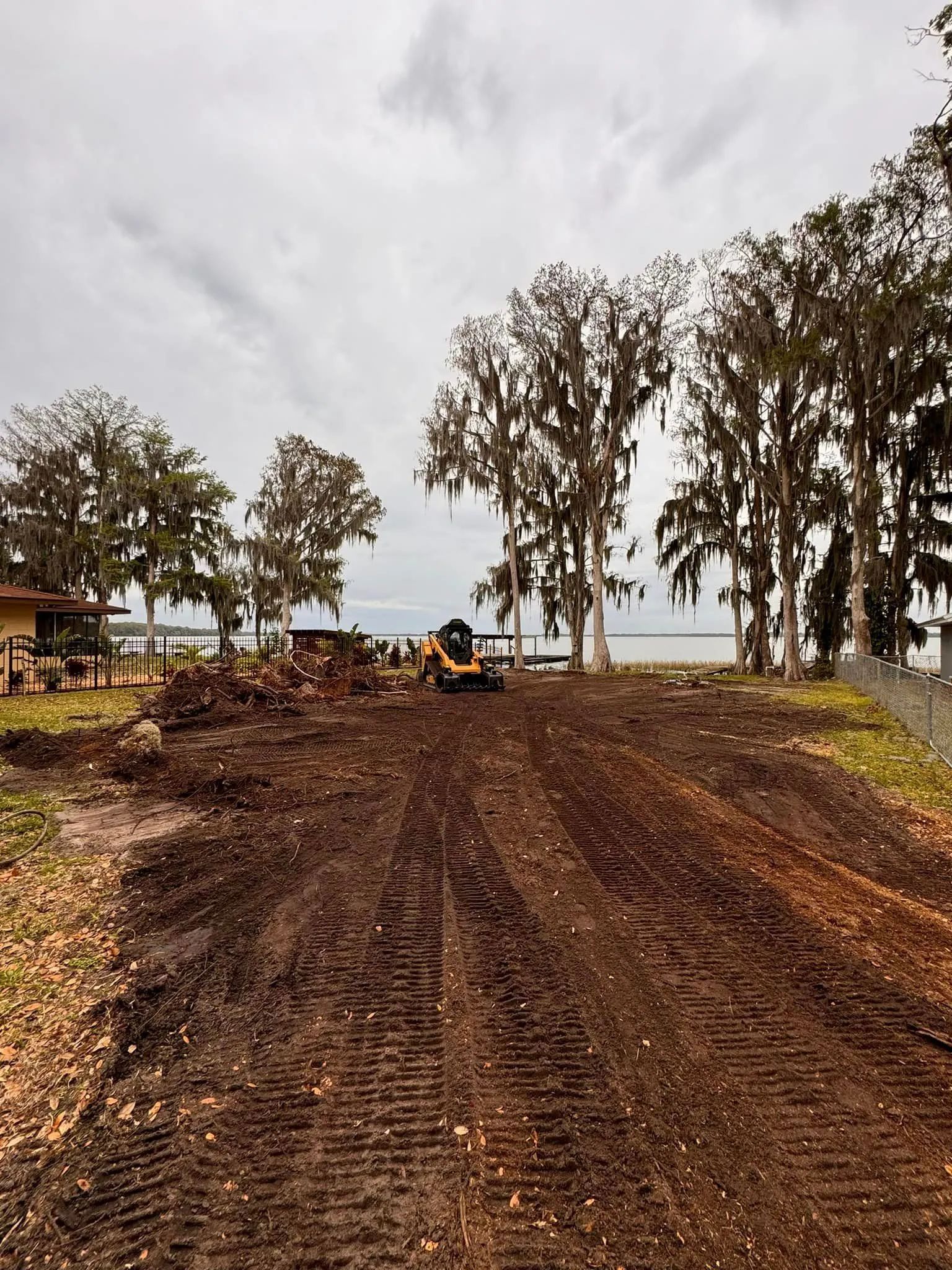
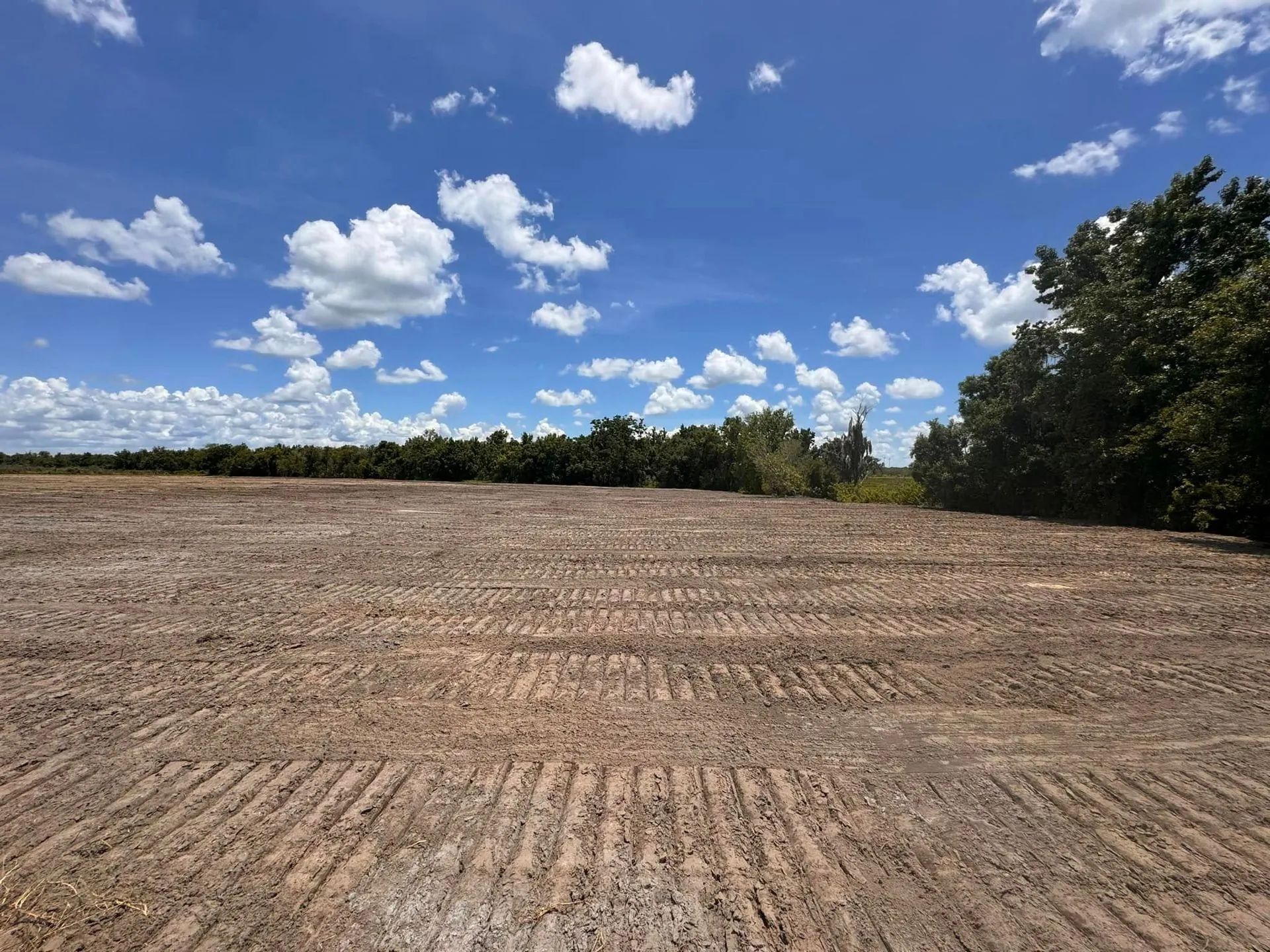
- Final Grading and Site Clean-Up:- The final stage of land preparation involves fine grading, smoothing the surface, and removing any remaining debris. This ensures the site is level, visually organized, and ready for construction equipment. Attention to detail at this stage prevents delays and contributes to a safer, more efficient building process.
- Implementing Best Practices:- Successful land preparation requires adherence to best practices, including phased planning, ongoing soil testing, and environmental compliance. Collaboration between surveyors, engineers, and construction teams ensures that every aspect of the site is optimized for long-term success. Maintaining open communication and thorough documentation helps prevent costly mistakes and enhances project efficiency.
- Preparing for Future Construction:- A well-prepared site simplifies future construction phases. Properly cleared, graded, and drained land minimizes risks of structural issues, reduces labor and material costs, and supports a smoother construction timeline. Investing in comprehensive land preparation is a proactive approach that pays dividends throughout the life of the project.
Expert Guidance for Efficient Land Preparation Projects
Preparing land for construction is a complex process that requires careful planning, expert execution, and attention to detail. From initial site evaluation to clearing, grading, drainage, and trenching for utilities, each step plays a crucial role in creating a stable, functional, and compliant building site. By addressing soil quality, water management, and proper utility installation early on, builders can prevent costly delays, structural issues, and environmental impacts. Land preparation is more than groundwork; it is the foundation for a safe and successful construction project.
For property owners and developers in Seffner, FL, All American Land Management LLC
has over 10
years of experience transforming raw land into construction-ready sites. Our team combines advanced equipment, skilled personnel, and expert knowledge to handle everything from tree removal and grading to trenching and drainage solutions. We prioritize safety, compliance, and efficiency, ensuring that each project is completed on time and within budget. When you partner with All American Land Management LLC, you gain a trusted authority dedicated to laying the groundwork for your building success.