Hydroseeding vs. Traditional Seeding: Which Grows Faster and Greener?
Establishing a lush, healthy lawn or green space begins with selecting the right seeding method. Homeowners, landscapers, and commercial property managers often face a choice between hydroseeding and traditional seeding. Both approaches aim to cultivate vibrant grass, yet the techniques, speed of growth, and overall results can vary significantly. Understanding these differences is crucial for making an informed decision that aligns with project goals, budget, and maintenance expectations. A well-executed seeding process can enhance property aesthetics, increase soil stability, and promote environmental benefits such as erosion control and improved air quality.
Hydroseeding has emerged as a modern alternative to conventional seeding, offering the promise of faster germination and uniform coverage. Traditional seeding, on the other hand, relies on tried-and-true methods that have been used for decades. Choosing between the two requires evaluating factors such as soil conditions, climate, project size, and cost. In this blog, we will explore the key distinctions between hydroseeding and traditional seeding, examining growth rates, sustainability, and overall effectiveness. By comparing practical outcomes and expert insights, this guide aims to provide a clear understanding of which method may deliver greener results in less time, helping you make the right decision for your landscaping project.
Understanding Hydroseeding
What Is Hydroseeding?
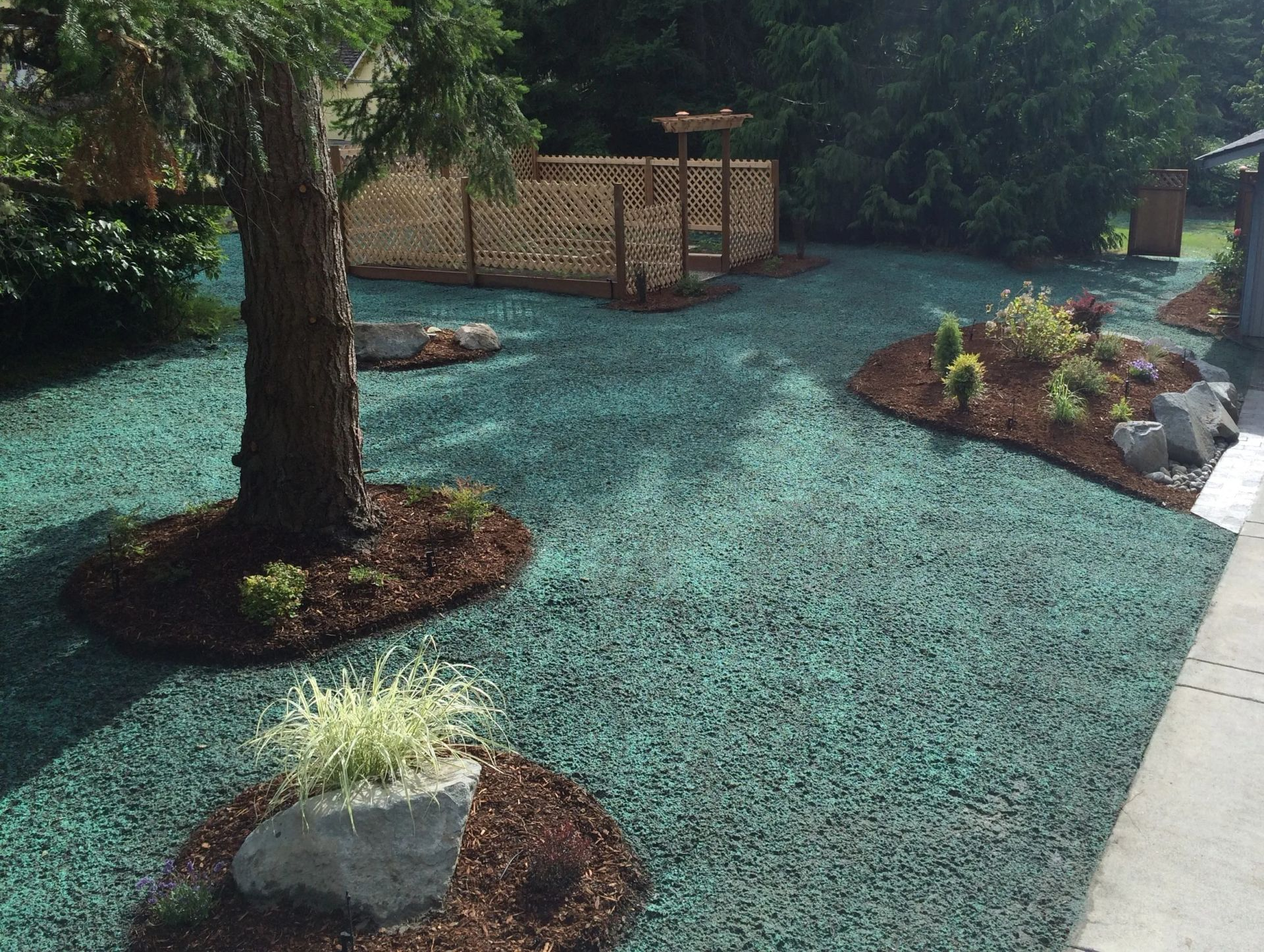
Hydroseeding is a planting process where a slurry of seed, water, mulch, fertilizer, and sometimes tackifiers is sprayed directly onto prepared soil. This method ensures that seeds are evenly distributed and remain in place, protected by the nutrient-rich mixture. Hydroseeding is particularly popular for large areas, slopes, or regions prone to erosion because the slurry adheres well to the soil and retains moisture.
Advantages of Hydroseeding
- Faster Germination: The combination of water, mulch, and fertilizer creates an optimal microenvironment for seeds, often resulting in faster germination compared to traditional methods.
- Uniform Coverage: Unlike broadcasting seeds by hand, hydroseeding ensures even distribution, reducing patchiness and improving overall lawn density.
- Erosion Control: Hydroseed mulch stabilizes soil, making it an ideal choice for slopes, embankments, or areas with loose soil.
- Reduced Labor: Though initial equipment costs may be higher, hydroseeding can cover large areas quickly, saving significant time and labor.
Real-World Scenario
For commercial properties, such as golf courses or sports fields, hydroseeding is often the preferred method. Projects that might take weeks with traditional seeding can see noticeable growth within 7 to 14 days. Homeowners looking for a fast, reliable lawn establishment method also benefit from hydroseeding, especially when dealing with uneven terrain or challenging soil conditions.
Traditional Seeding Methods
Overview of Traditional Seeding
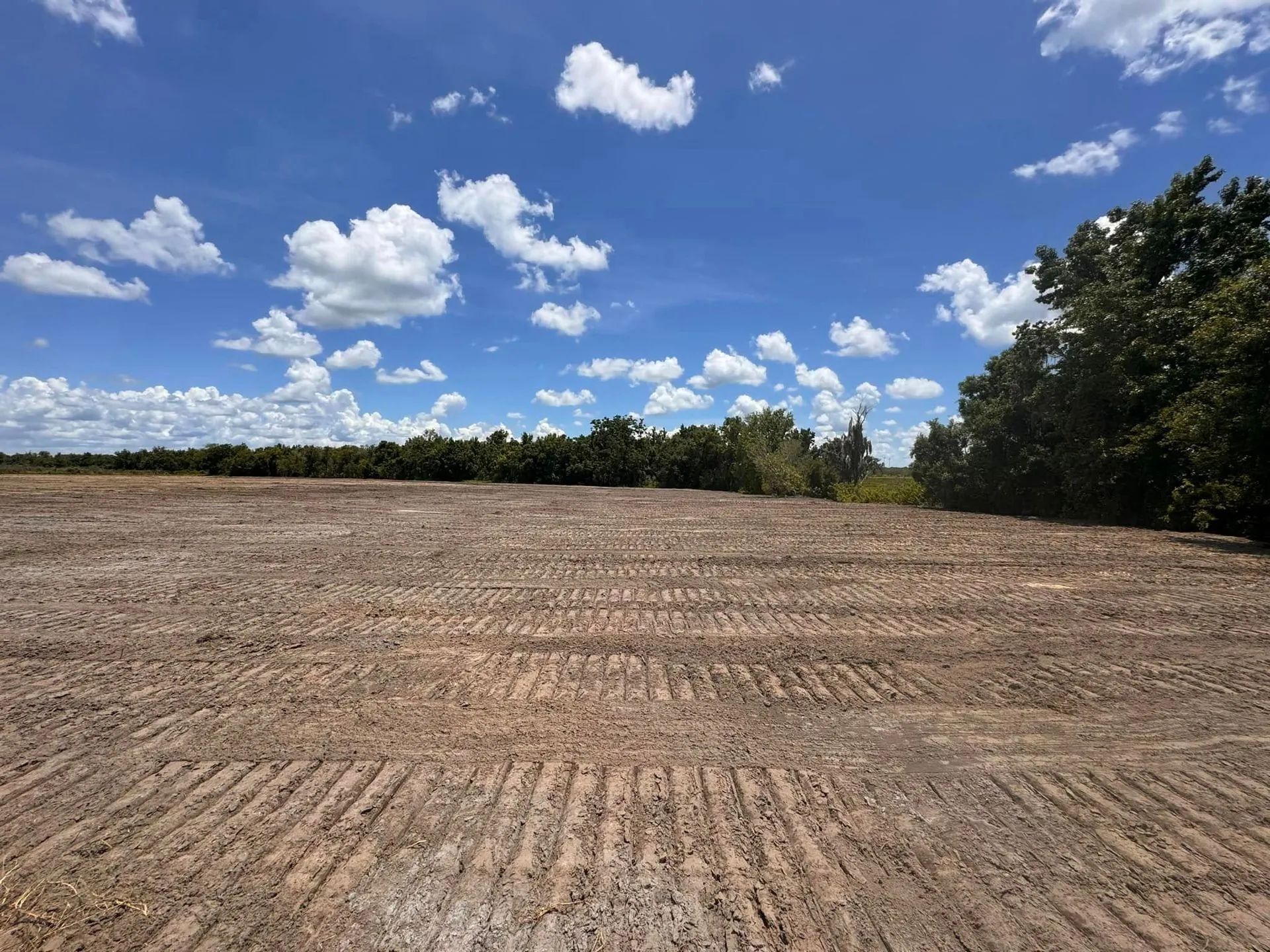
Traditional seeding, sometimes referred to as dry seeding, involves spreading grass seed directly onto prepared soil using hand broadcasting, mechanical seeders, or drill methods. This approach has been a cornerstone of lawn care for decades and is often favored for smaller properties or gardens where precision and control are prioritized.
Advantages of Traditional Seeding
- Cost-Effective: Traditional seeding generally requires minimal equipment and lower upfront costs, making it accessible for homeowners and small-scale projects.
- Flexible Seed Selection: Homeowners can hand-select grass varieties suited to specific soil types, sun exposure, and climate conditions.
- Adaptable for Small Areas: Smaller yards or irregularly shaped gardens benefit from the precision and control traditional seeding offers.
Limitations of Traditional Seeding
- Slower Germination: Seeds are more exposed to environmental conditions, often resulting in slower growth and uneven coverage.
- Higher Risk of Erosion: On slopes or exposed soil, seeds can wash away before germination if not properly protected.
- Labor Intensive: Spreading seeds and ensuring proper soil contact requires more manual effort compared to hydroseeding.
Expert Insight
Traditional seeding remains a viable option when budget constraints or project scale are primary concerns. Landscapers often supplement this method with straw, mulch, or netting to improve germination rates and soil retention. While slower than hydroseeding, careful preparation and maintenance can still yield a healthy, dense lawn.
Comparing Growth Speed
Germination Rates
One of the most critical factors in choosing a seeding method is how quickly grass germinates. Hydroseeding provides an advantage by combining water, fertilizer, and mulch in one application, creating a consistently moist and nutrient-rich environment for seeds. This often leads to visible sprouting within 7 to 14 days, depending on grass species and climate.
Traditional seeding, however, relies on natural rainfall and soil moisture, which can delay germination. In some cases, it may take 2–4 weeks before sprouts are visible, especially in hot or dry conditions.
Environmental Impact on Growth
Weather, soil type, and seasonal conditions significantly influence the growth speed of both methods. Hydroseeding tends to mitigate environmental stressors because the mulch layer retains moisture and protects seeds from wind, birds, and temperature fluctuations. Traditional seeds are more susceptible to these variables, which can result in patchy or uneven growth if the soil is not adequately managed.
Practical Example
Consider a municipal park project. Hydroseeding a 10-acre section may achieve full coverage within three weeks, while traditional seeding could require double the time, with additional labor for reseeding bare spots. Faster growth also reduces soil erosion, making hydroseeding a more practical choice for public spaces where safety and appearance are essential.
Best Practices for Optimal Results
Hydroseeding Tips
- Soil Preparation: Proper grading and loosening of soil are essential for hydroseeding to ensure strong root establishment.
- Seed Selection: Choose grass species suited to local climate and intended lawn use for optimal growth.
- Watering Schedule: Maintain consistent moisture during germination, adjusting based on rainfall and temperature.
Traditional Seeding Tips
- Even Distribution: Use mechanical seeders or carefully broadcast by hand to avoid patchiness.
- Soil Fertilization: Incorporate slow-release fertilizers to promote steady growth.
- Mulching: Apply straw or other protective cover to reduce erosion and moisture loss.
Expert Recommendations
Landscape professionals often recommend combining the strengths of both methods in certain scenarios. For example, hydroseeding high-traffic areas or slopes while using traditional seeding in smaller, detailed spaces can optimize both efficiency and cost-effectiveness. Monitoring growth, adjusting watering, and periodic fertilization are critical for achieving a lush, green lawn regardless of the method chosen.
Professional Insights on Hydroseeding Versus Traditional Seeding
Choosing between hydroseeding and traditional seeding requires careful consideration of growth speed, lawn quality, environmental conditions, and project scale. Hydroseeding offers faster germination, uniform coverage, and enhanced moisture retention, making it an ideal choice for large or challenging areas. Traditional seeding remains a cost-effective and flexible approach, especially for smaller lawns or projects with controlled environments. Both methods can produce healthy, vibrant lawns when paired with proper soil preparation, seed selection, and post-planting care.
For property owners in Seffner, FL, All American Land Management LLC
provides expert guidance and professional seeding services backed by 10
years of experience. Our team specializes in hydroseeding and traditional seeding, delivering greener, healthier lawns efficiently and reliably. With an emphasis on soil health, expert planning, and long-term lawn care, we ensure every project achieves optimal results. Trust All American Land Management LLC
to transform your outdoor spaces into lush, sustainable landscapes that thrive year-round.